

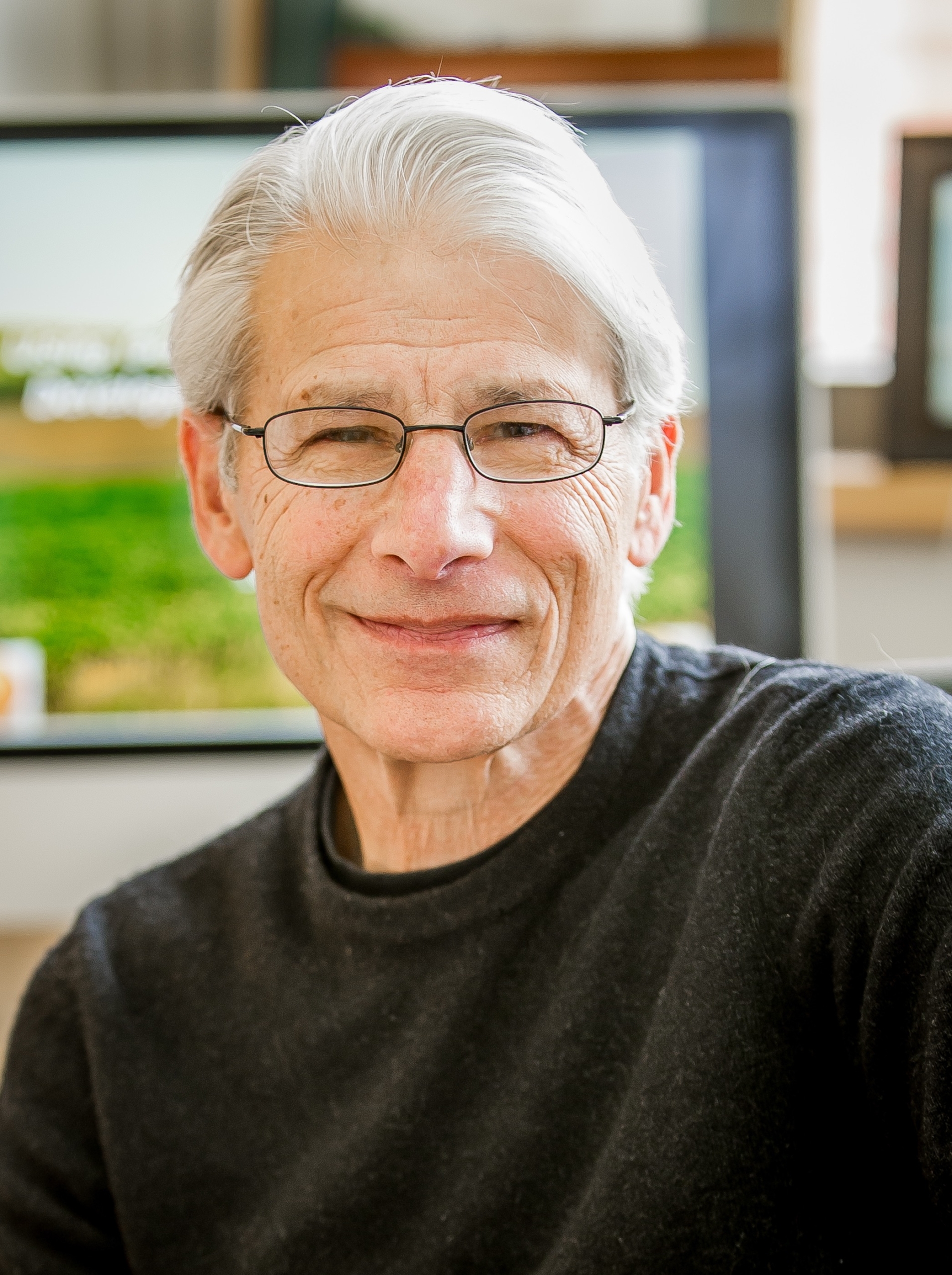
In Memoriam: Professor Robert (Bob) Goldberg, Renowned Plant Molecular Biologist and Beloved UCLA Educator
The UCLA community mourns the passing of Professor Robert (Bob) Goldberg, a pioneering scientist, revered teacher, and devoted member of our campus for more than five decades. Professor Goldberg passed away on Friday, November 21, 2025, leaving behind a transformative legacy that has shaped modern plant molecular biology, advanced agricultural biotechnology, and enriched the lives of generations of UCLA students and colleagues.
Professor Goldberg began his UCLA career more than 50 years ago in what was then known as the Biology Department, where the field of molecular, cell, and developmental biology would later emerge as a distinct subdiscipline. As the discipline evolved and eventually formed into the Department of Molecular, Cell & Developmental Biology (MCDB) in the 1990s, Professor Goldberg served as a founding member, helping establish the department’s scientific breadth, academic culture, and commitment to excellence.
Widely recognized as a trailblazer in plant developmental genetics, his research illuminated the regulatory networks that control gene expression during plant development, particularly during reproductive development. His laboratory’s insights into plant gene regulation have had far-reaching impacts across biology, agriculture, and biotechnology.
Among his most influential scientific contributions, Professor Goldberg helped develop the Barnase-Barstar male-sterility system, a powerful technology used in hybrid seed production and applied globally to improve crop yields in canola and other essential crops. He also co-founded Ceres, Inc., a biotechnology company dedicated to translating plant genomics into practical agricultural innovations, which is an example of his commitment to bridging basic research with real-world impact.
Professor Goldberg’s leadership extended beyond his laboratory. He was the founding editor-in-chief of The Plant Cell, now one of the field’s premier journals, and he directed The Seed Institute, an intercampus UC initiative dedicated to advancing seed biology through collaborative research.
His achievements were recognized by some of the highest honors in science, including election to the National Academy of Sciences in 2001, the Stephen Hales Prize from the American Society of Plant Biologists in 2015, and the UCLA Gold Shield Prize for Faculty Excellence in 1998. His international accolades included Brazil’s National Order of Scientific Merit, reflecting the worldwide influence of his work.
Equally remarkable was Professor Goldberg’s deep passion for teaching and mentorship. He was known on campus for his dynamic, innovative, and demanding courses, featuring multimedia storytelling, student-created films, and a Socratic, highly interactive learning environment. He trained dozens of graduate students and postdoctoral scholars, many of whom have gone on to distinguished careers in academia, industry, and government. He also trained and mentored scores of undergraduate students who were researchers in his lab or learning assistants in his classes. Professor Goldberg’s teaching excellence earned numerous awards, including the Biology Department Distinguished Teaching Award (1980), the UCLA Academic Senate’s Luckman Distinguished Teaching Award (1992), a California Legislative Assembly Recognition for Distinguished Teaching (1992), ,and the Howard Hughes Medical Institute Professorship (2002).
He also helped launch a pioneering long-distance, multi-campus course on genetic engineering, expanding access to modern scientific education and embodying his commitment to public engagement and science literacy. It was one of the first interactive, on-line courses of its kind at the time it was launched.
Beyond campus, Professor Goldberg was an influential voice in public discussions of biotechnology, genetics, and genetically modified foods. His outreach efforts, including contributions to documentaries and public forums, helped bridge the gap between scientific research and societal understanding.
Professor Goldberg leaves behind an extraordinary scientific and educational legacy that will continue to inspire the UCLA community and the global plant biology field for decades to come. Professor Goldberg’s love for UCLA was evident until the very end of his life, as he was still hoping to teach his popular genetic engineering class in the spring up until the week he passed.
We extend our heartfelt condolences to his family, friends, students, colleagues, and all who were touched by his remarkable life and career.